

DRAINAGE SOLUTIONS
DRAINAGE SOLUTIONS IN Winnsboro, TX
Residential code asks the ground around a house to fall 6 inches within the first 10 feet, and most wet yards we are called to have lost that fall to settling, added beds or new concrete. North East Texas Lawn Sprinkler and Drainage designs and installs new drainage across Winnsboro, TX, Mineola, Quitman, Sulphur Springs, and Tyler, moving water out.
WATER ALWAYS PICKS THE SAME PATH TWICE.
Standing water is never random. It follows grade, compaction and whatever the last person to work on the property changed. A patio poured level, a flower bed built up against the house, a downspout dumping at the corner, and suddenly a yard that drained fine for years holds a puddle for three days after every storm.
We read that path before we design anything, because a drain installed without a real outlet simply moves the problem a few feet and hides it underground where nobody can see it.
✓ Grades checked across the whole lot
✓ Outlet identified before any trench opens
✓ Roof water and surface water addressed together
✓ Free written estimate before work begins
DRAINAGE SOLUTIONSRETE
YOUR YARD AND YOUR FOUNDATION SHARE THE SAME WATER PROBLEM.
Water that sits against a slab does not stay outside for long. Saturated clay swells, dries, and shrinks with the seasons, and that cycle pushes and pulls on footings until doors stop closing squarely. The same standing water kills grass roots, breeds mosquitoes, undercuts walkways, and turns a back gate into a mud pit. Solving it properly means treating the yard and the perimeter of the house as one connected system.
OUR SOIL DOES NOT FORGIVE A BAD SLOPE.OUR SOIL DOES NOT FORGIVE A BAD SLOPE.
Tight clay across this region absorbs very little, so almost everything that falls has to be carried away on the surface or through pipe. A slope that would drain a sandy lot leaves standing water here. We shoot grades, find the low points and confirm where the water can legally and practically discharge, then build enough fall into every line to keep it moving instead of pooling in the pipe.
WATER TELLS US WHERE IT WANTS TO GO.
Digging in this ground for 45 years has taught us to trust what the yard shows us over what a plan assumes. Grass color, silt lines, moss on a fence base, and the shape of erosion channels all mark the route water is already taking. We follow those signs, then improve on the path instead of fighting it. Where does your property hold water longest after a heavy rain?
WHAT PROPER DRAINAGE PROTECTS
A YARD YOU CAN ACTUALLY USE
Kids, dogs and mowers stop sinking into the same soft strip every spring. The lawn dries within hours of a storm rather than staying spongy for most of the week.
WATER PUSHED AWAY FROM THE SLAB
Keeping saturation away from footings reduces the swelling and shrinking that moves a foundation. It is far cheaper than the repairs that follow years of water sitting against the perimeter.
TOPSOIL THAT STAYS PUT
Concentrated runoff carves channels and strips the good soil off a slope one storm at a time. Controlled discharge spreads the flow so your beds and turf keep the ground they have.
GRASS THAT STOPS DROWNING
Roots need air as much as water, and constantly saturated soil suffocates them. Once drainage is corrected, thin muddy areas grow back in without reseeding the whole section.
FEWER MOSQUITOES AND LESS MUD
Standing water breeds insects and tracks into the house on every paw and boot. Removing the puddles removes both problems at once, which most people notice within the first wet week.
HARDSCAPE THAT LASTS LONGER
Patios, walks and driveways fail from below when water undermines their base. Directing runoff away from those edges keeps them level and adds years to what you already paid to install.
WHERE WE BUILD
OUR DRAINAGE SOLUTIONS WORK
No two wet yards need the same fix, and most need two or three approaches working together. These are the systems we build most often on properties around this part of the state.
FRENCH DRAINS
French Drain Installation
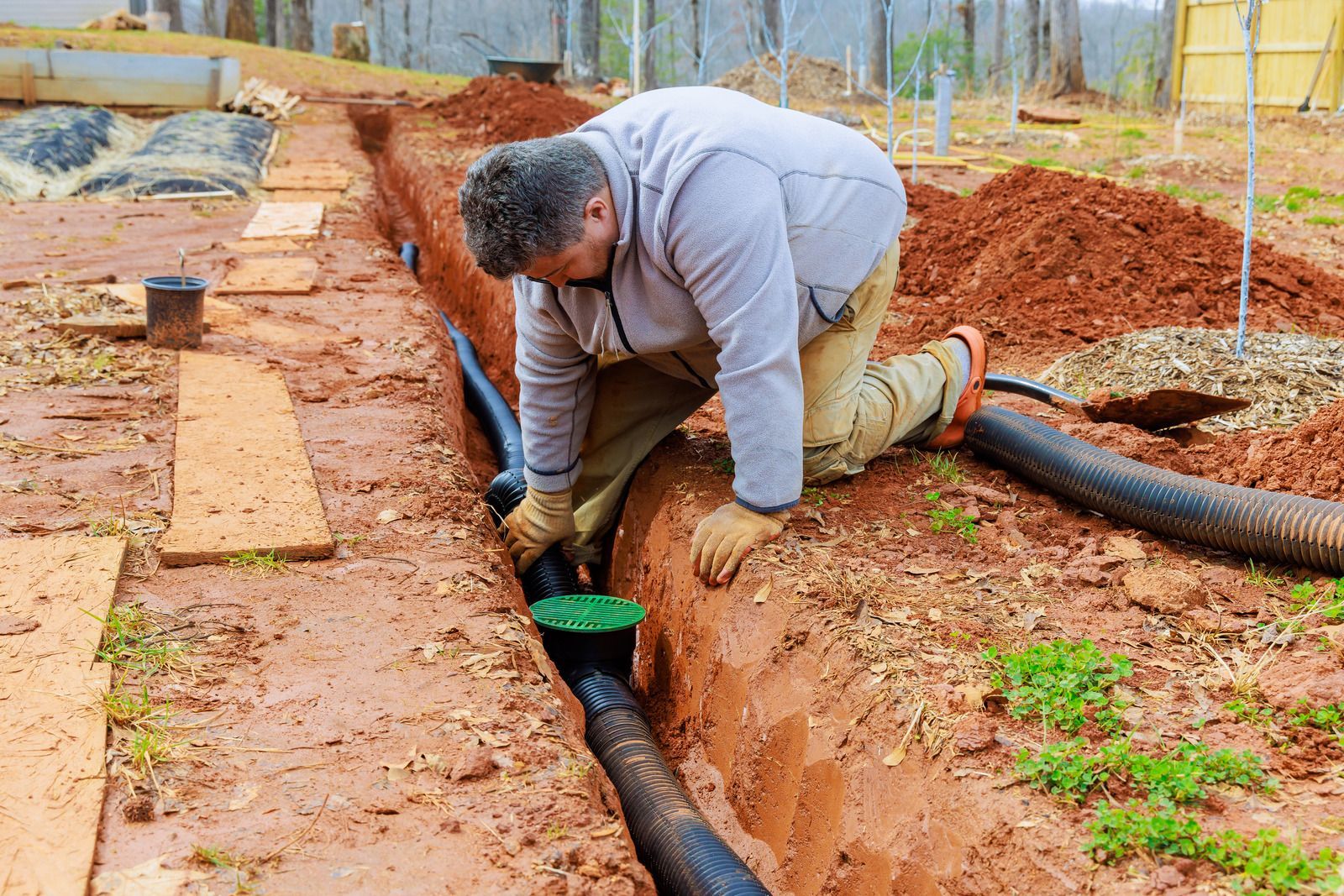
A sloped trench, perforated pipe, washed rock, and filter fabric intercept water below grade and carry it to daylight. Depth and fall are set for the specific low area rather than dug to a standard dimension.
SURFACE WATER
Catch Basins and Surface Drains
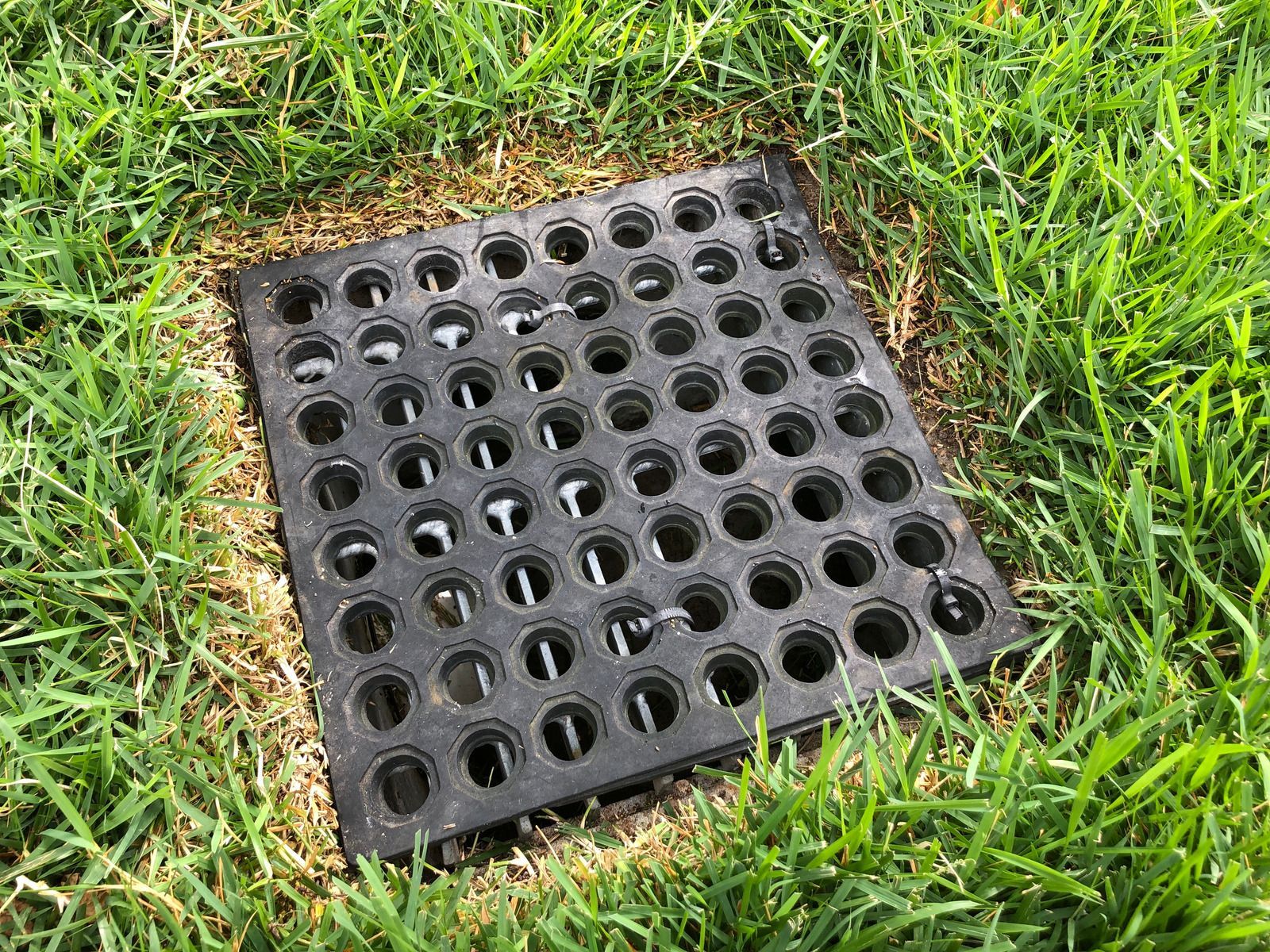
Grated basins collect water where it pools fastest, in low spots, at patio edges, and beside driveways. Solid pipe then carries it underground to an outlet, keeping the surface walkable and mowable again.
ROOF RUNOFF
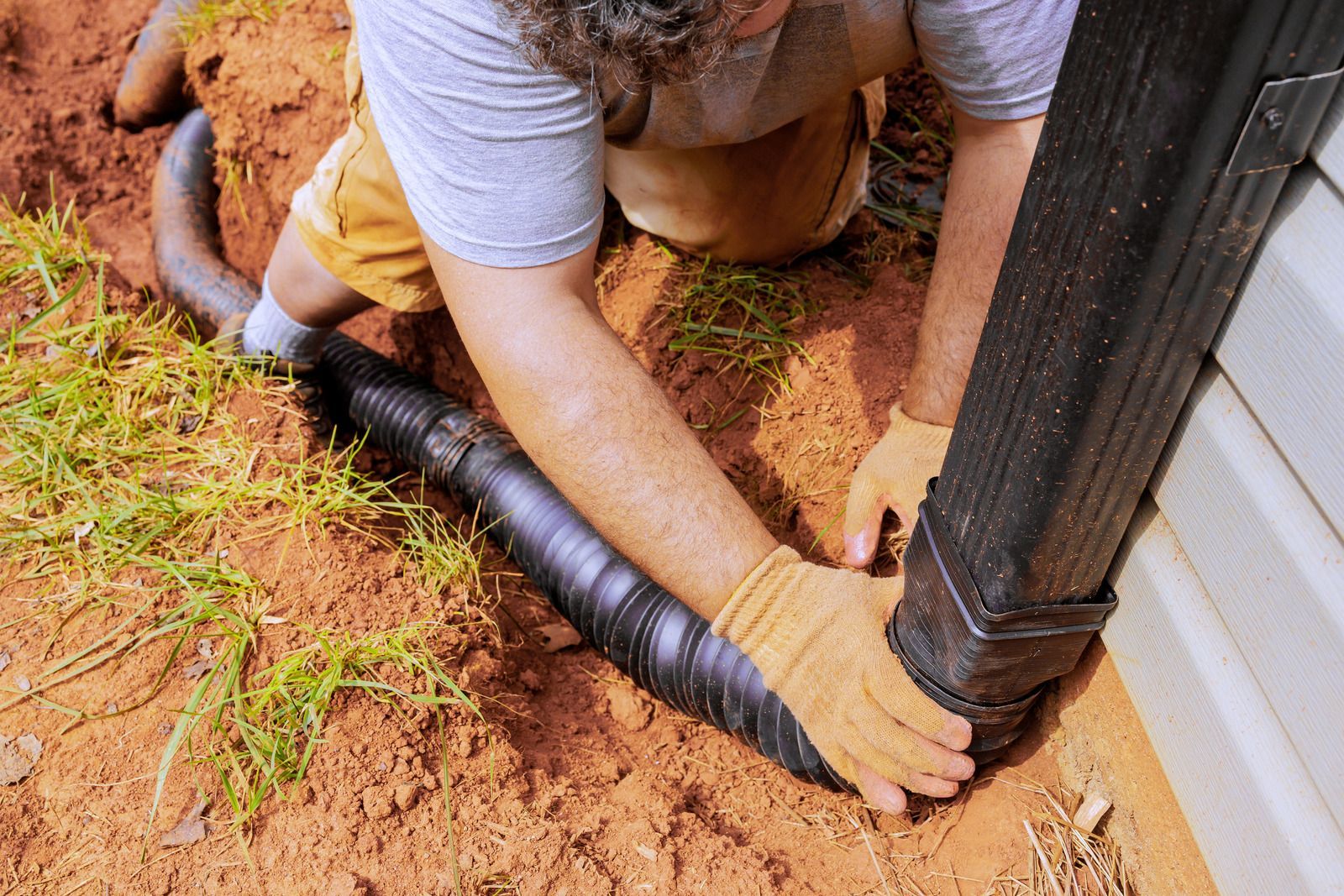
Downspout Extensions and Buried Discharge
Roofs shed thousands of gallons in a single storm, and dumping that at the corner of a slab creates the wettest ground on the property. Buried lines carry the flow well past the foundation.
GRADE WORK
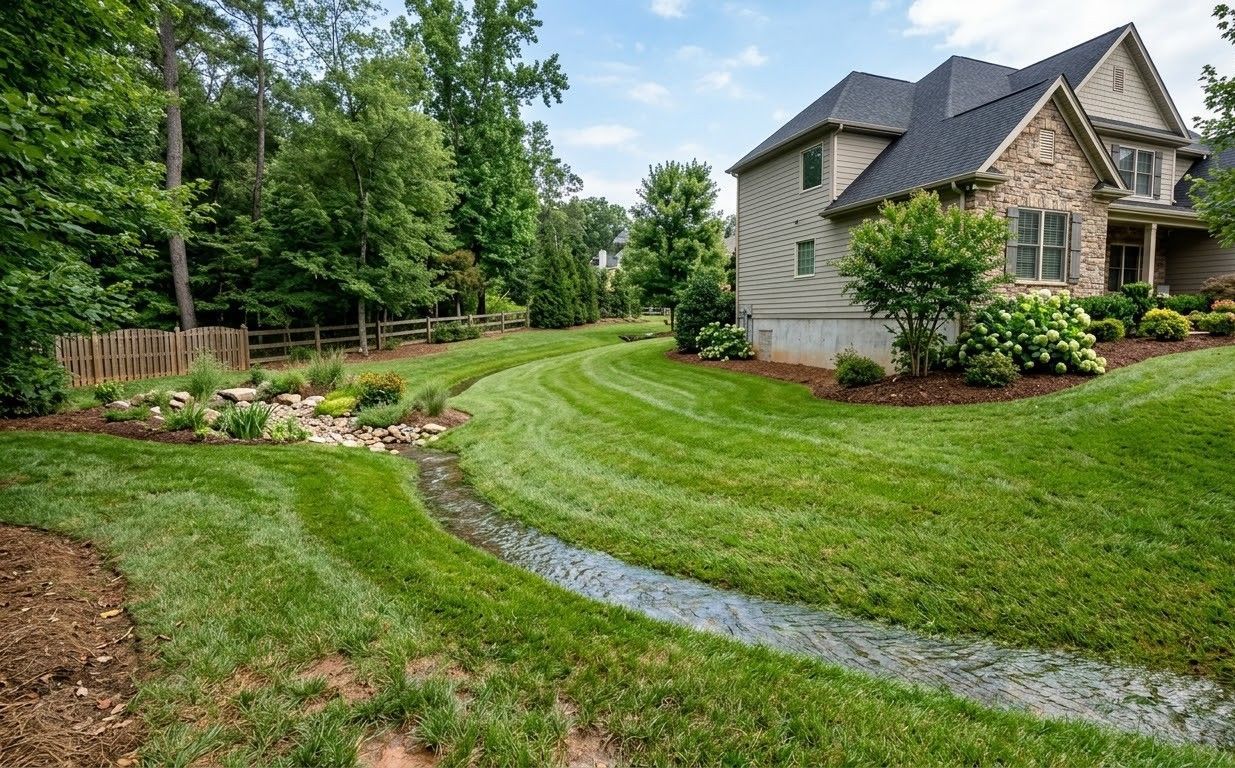
Surface Grading and Swales
Reshaping the ground moves water without any pipe at all. Gentle swales and corrected slopes carry sheet flow around structures and toward a discharge point, often solving problems a drain alone never would.
HARD EDGES
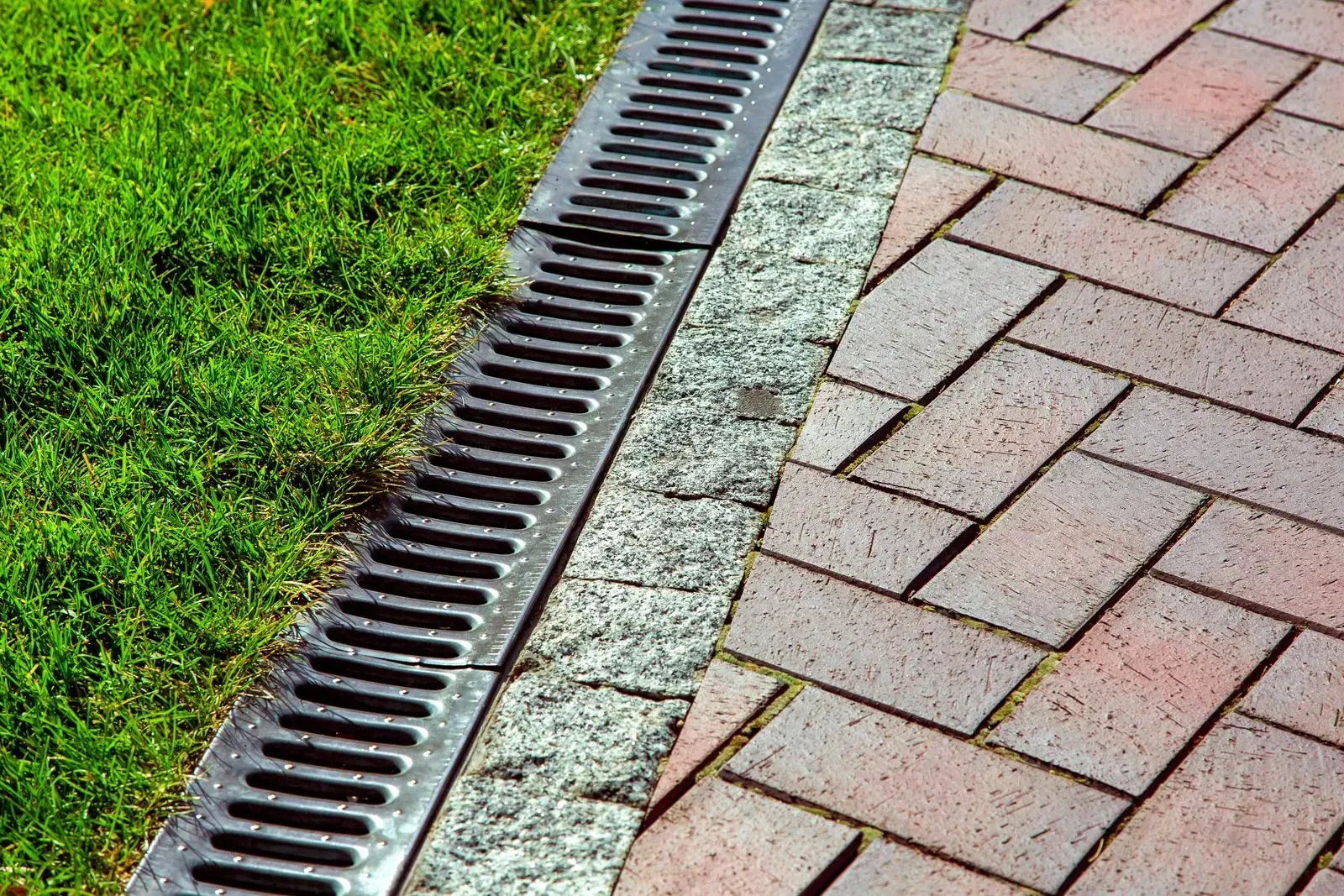
Channel and Trench Drains
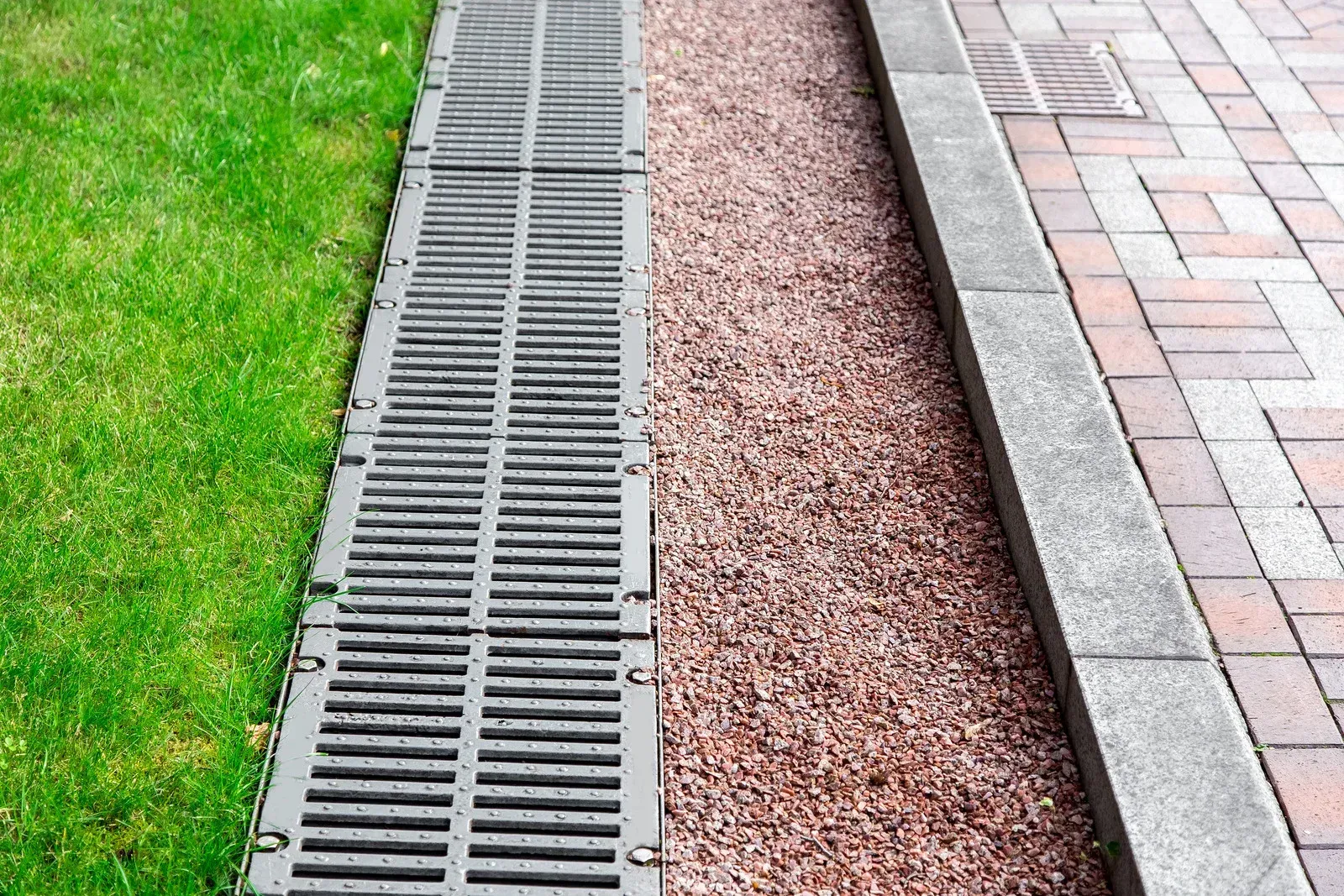
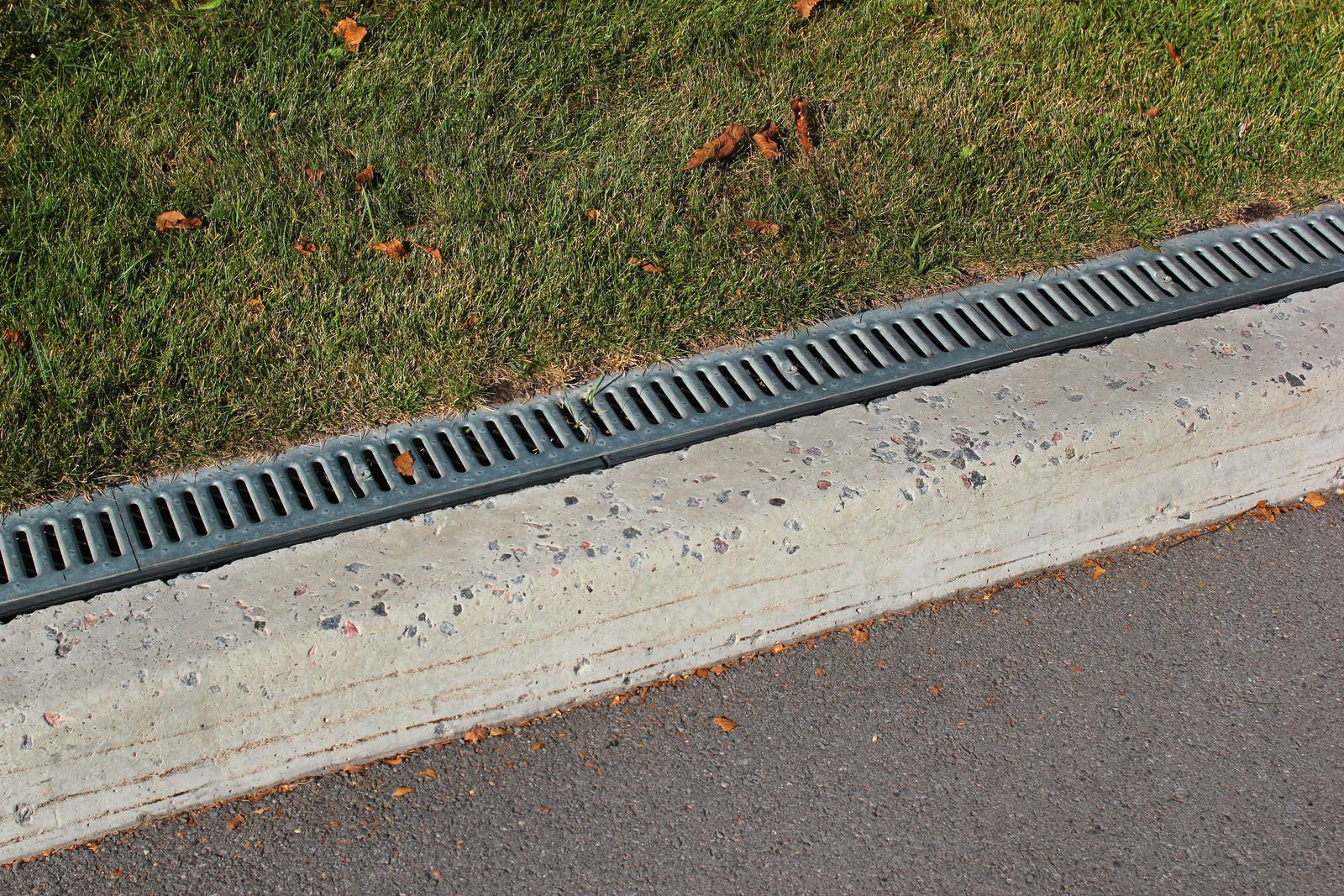
Long grated channels catch water crossing driveways, garage aprons and patio thresholds before it reaches a door. They intercept flow across a whole width rather than at one point, which pavement runoff needs.
DRAIN CLEARING
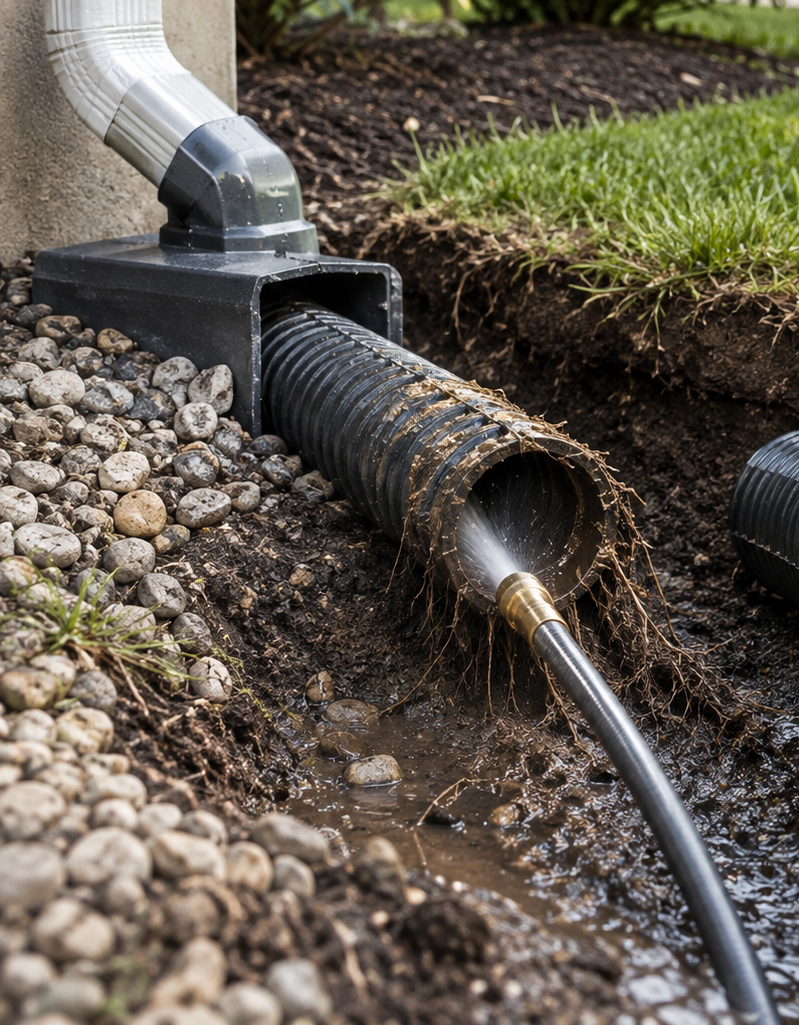
Drain Line Cleaning and Repair
Existing systems silt up, crush under vehicle traffic, or fill with roots until they back up. We locate the blockage, clear or replace the affected run, and confirm the outlet is still open and flowing.
THE WORD ON OUR WORK
WHAT OUR CLIENTS SAY.
The comment we hear most is about the first heavy rain after the work. People go outside expecting the usual pond, and find the yard draining while the neighbors are still standing in water. Reviews are posted on our Google profile.
Common Questions
FREQUENTLY ASKED QUESTIONS.
These are the questions that come up on almost every drainage visit. If your situation is not described here, send photos through our contact page and we will tell you what we see.
Why does my yard stay soggy even when I am not watering it very much?
The sprinkler system may not be the problem. Poor grading, compacted soil, low areas, roof runoff or inadequate drainage can all collect water around a home. We help determine whether the cause is irrigation, drainage, or a combination.
Can poor drainage damage my lawn or landscaping?
Yes. Water that repeatedly collects in the same areas creates muddy conditions, washes away soil, stresses grass and plants, and makes portions of a yard unusable. Correcting how water moves protects the landscape and the surrounding outdoor areas.
Can sprinkler problems contribute to drainage issues around my property?
Yes. Leaking lines, broken heads, excessive watering, and poor coverage saturate portions of a yard and worsen an existing drainage problem. Understanding both systems makes it far easier to identify where the unwanted water is actually coming from.
How deep should a French drain be?
Depth follows the problem rather than a rule of thumb. Surface water needs only a shallow trench, while water moving along a foundation or through a saturated subsoil layer requires a deeper line set below where it travels.
What is the difference between a French drain and a surface drain?
A French drain uses perforated pipe surrounded by rock to collect water already sitting in the soil. A surface drain uses grated inlets and solid pipe to capture water standing on top of the ground before it soaks in.
How far from the foundation should downspouts discharge?
Farther than most are set. Water needs to leave the backfill zone entirely, which usually means carrying it several feet out through buried pipe rather than letting it splash beside the slab and soak straight back down again.
Will regrading alone fix standing water, or is a drain still needed?
Sometimes grading alone is enough, particularly where a low spot is shallow and an outlet sits nearby. North East Texas Lawn Sprinkler and Drainage evaluates both options across Winnsboro, TX before recommending pipe you may not actually need.
Where does the water from a yard drain actually go?
Every system needs a legal outlet, usually daylight at a lower point, a swale, a ditch or an approved connection. North East Texas Lawn Sprinkler and Drainage confirms that outlet in Winnsboro, TX before designing anything else on the property.
HOW WE WORK
FROM FIRST PUDDLE TO LAST TAMP, HERE IS HOW.
STEP 01
WATCH WHERE THE WATER COLLECTS
We want to know how the property behaves during a real storm. Photos you have taken, silt marks, erosion lines, and the areas that stay green longest all tell us where flow concentrates.
STEP 02
SHOOT GRADES ACROSS THE LOT
Elevations are measured rather than eyeballed. Knowing exactly how much fall exists between the wet area and every possible discharge point decides which solution is even available to us on this lot.
STEP 03
PICK THE OUTLET FIRST
Every drain is only as good as where it ends. We identify a legal, practical discharge that stays open and free flowing, then design the rest of the system backward from that point.
STEP 04
CUT THE TRENCH TO SLOPE
Trenches are dug to continuous fall, not to a fixed depth. Consistent slope is what keeps silt moving through the pipe instead of settling into it and clogging the line within a couple of seasons.
STEP 05
SET PIPE, ROCK AND FABRIC
Fabric goes in before the rock, pipe is bedded and oriented correctly, and washed stone surrounds it. Skipping fabric is the single most common reason a French drain silts shut and quits working.
STEP 06
RESTORE THE SURFACE
Sod, soil and any disturbed edging go back so the finished yard looks unremarkable. Then we run water through the completed system while you stand there and watch it discharge at the outlet.
Get Your Free Estimate
SHOW US THE WET SPOT, AND WE WILL PRICE THE FIX, FREE.
A yard that holds water after every storm is a solvable problem, and solving it protects your foundation, your lawn and everything you have planted around them. Tell us what you are seeing through our contact page, and we will walk the property with you in Winnsboro, TX or the surrounding counties, measure the grades, identify a workable outlet, and put a written number in your hands with nothing owed for the visit.
WHAT YOUR DRAINAGE ESTIMATE COVERS:
✓ On-site review of the wet areas
✓ Measured grades across the property
✓ Outlet located and confirmed
✓ Recommended system explained plainly
✓ Surface restoration included in scope
✓ A written price with no obligation